
A hub for driving discoveries in cancer research
The Van Andel Institute Cancer Center fuels breakthroughs by bringing together exceptional scientists, advanced technologies and a shared commitment to solving cancer’s toughest challenges.
Our scientists investigate the biological mechanisms that drive cancer, from how tumors arise to how they evade treatment. This critical research explores how factors like epigenetics, the immune system, metabolism and cellular communication influence cancer risk, propel disease progression and affect therapeutic response. Every discovery expands our understanding of cancer and creates new opportunities to improve care and patient outcomes.
As part of our commitment to human health, VAI partners with leading medical organizations to translate promising lab discoveries into potential treatments through clinical trials. This work is exemplified by the Van Andel Institute–Stand Up To Cancer® Epigenetics Dream Team, a multi-institutional clinical trial initiative that identifies and evaluates innovative combination therapies.
Together, our scientists and collaborators are transforming bold ideas into discoveries that advance cancer prevention, diagnosis and treatment.
Cancer research programs
The VAI Cancer Center is organized around two interdisciplinary programs — the Cancer Epigenetics Program and the Signaling and Metabolism Program — that leverage the Institute’s deep expertise and robust research infrastructure to accelerate discovery in high-impact areas of cancer research. These collaborative programs bring together scientists across the Institute’s research departments to address major questions in cancer research.
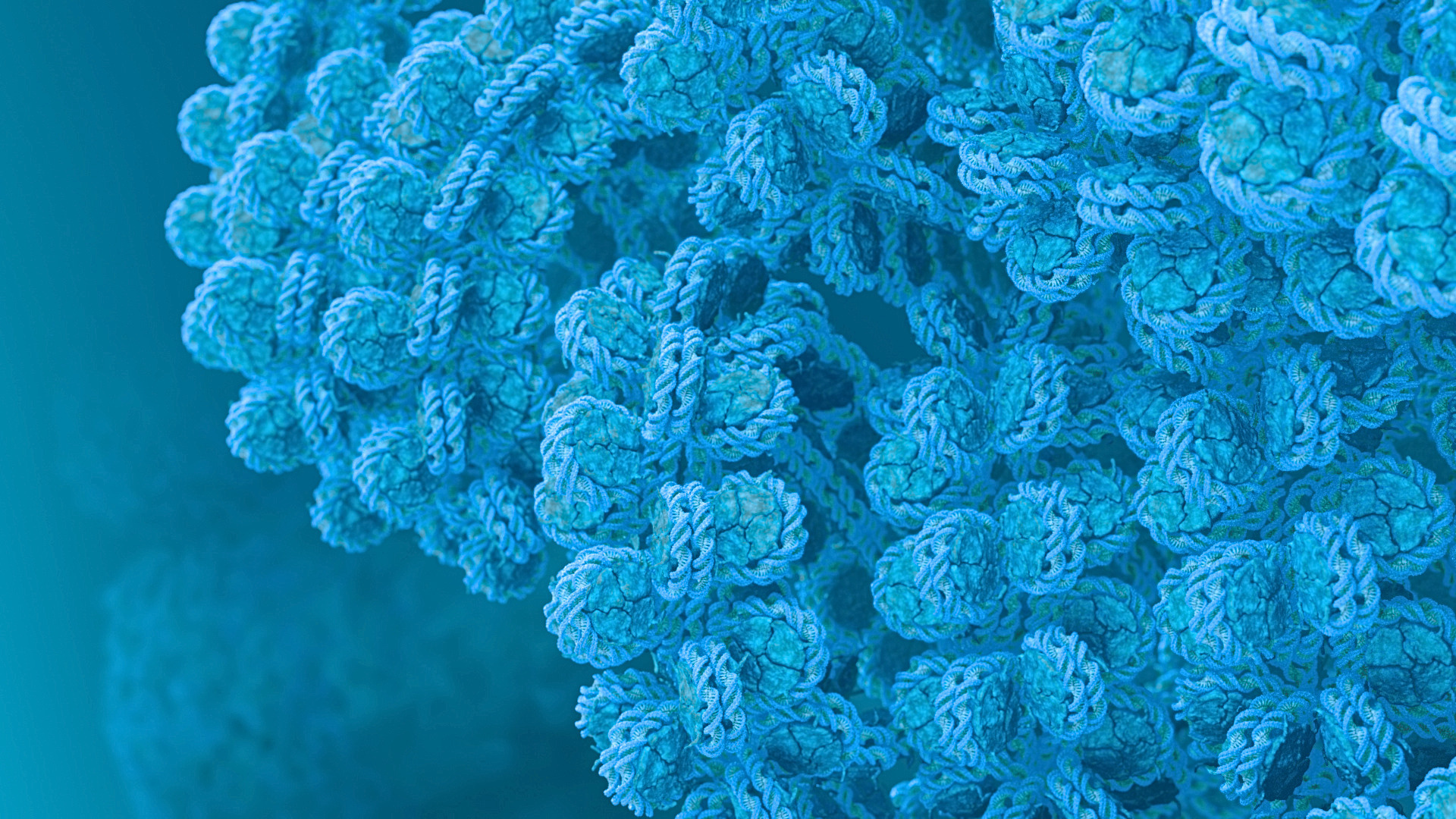
Cancer Epigenetics Program
The Cancer Epigenetics Program explores how changes in gene regulation influence cancer development, with a focus on identifying opportunities for prevention, diagnosis and treatment.
Learn More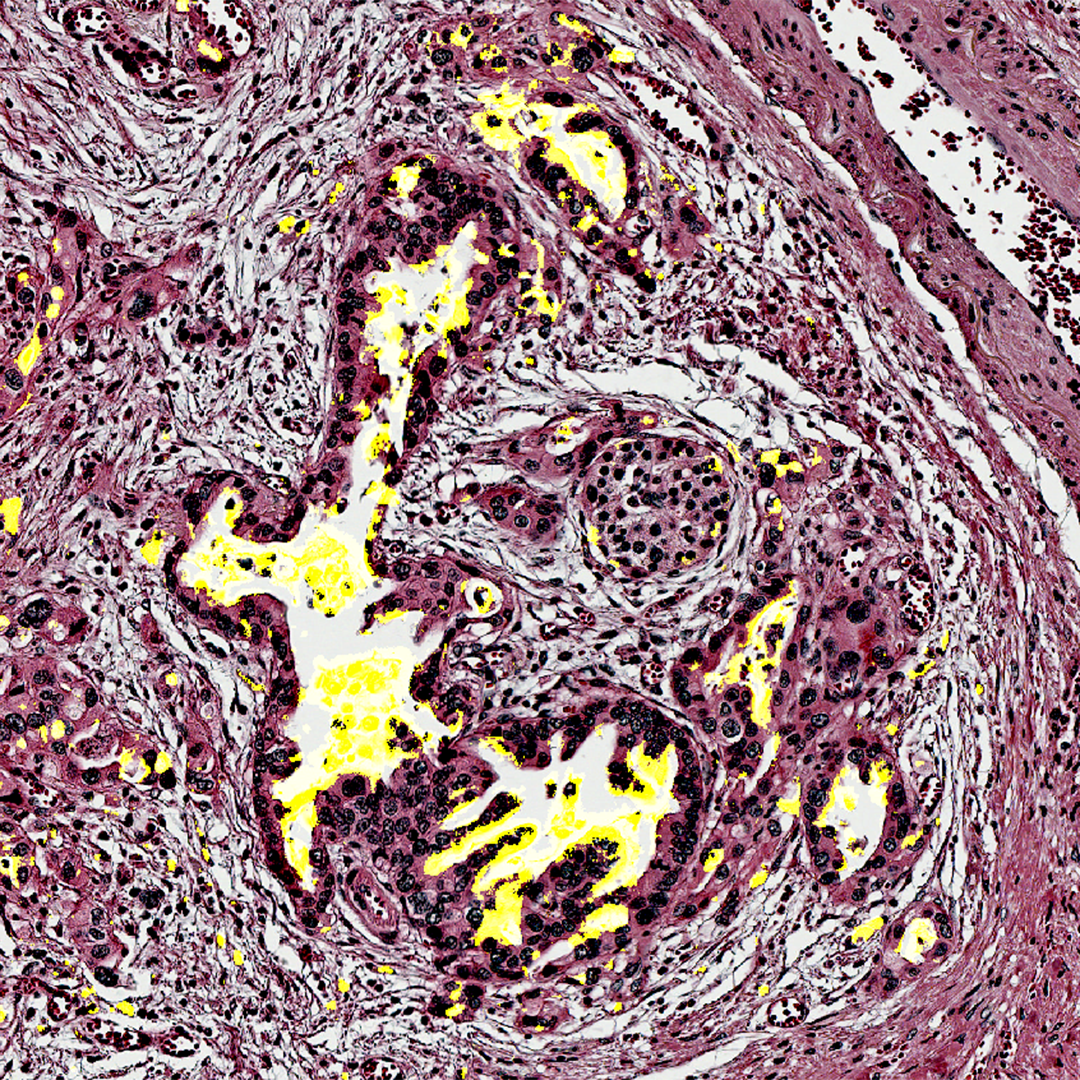
Signaling and Metabolism Program
The Signaling and Metabolism Program investigates how cellular communication, the immune system and metabolism interact to drive cancer — insights that can fuel new therapies and care strategies.
Learn MoreShared resources
The VAI Cancer Center is supported by an outstanding Core Technologies and Services team, which offers shared technologies and specialized expertise to facilitate breakthroughs. Learn more about Core Technologies and Services ➔
Cancer research training
The discoveries of tomorrow start with the students and trainees of today. Van Andel Institute offers robust training programs for students and early-career scientists of all levels.
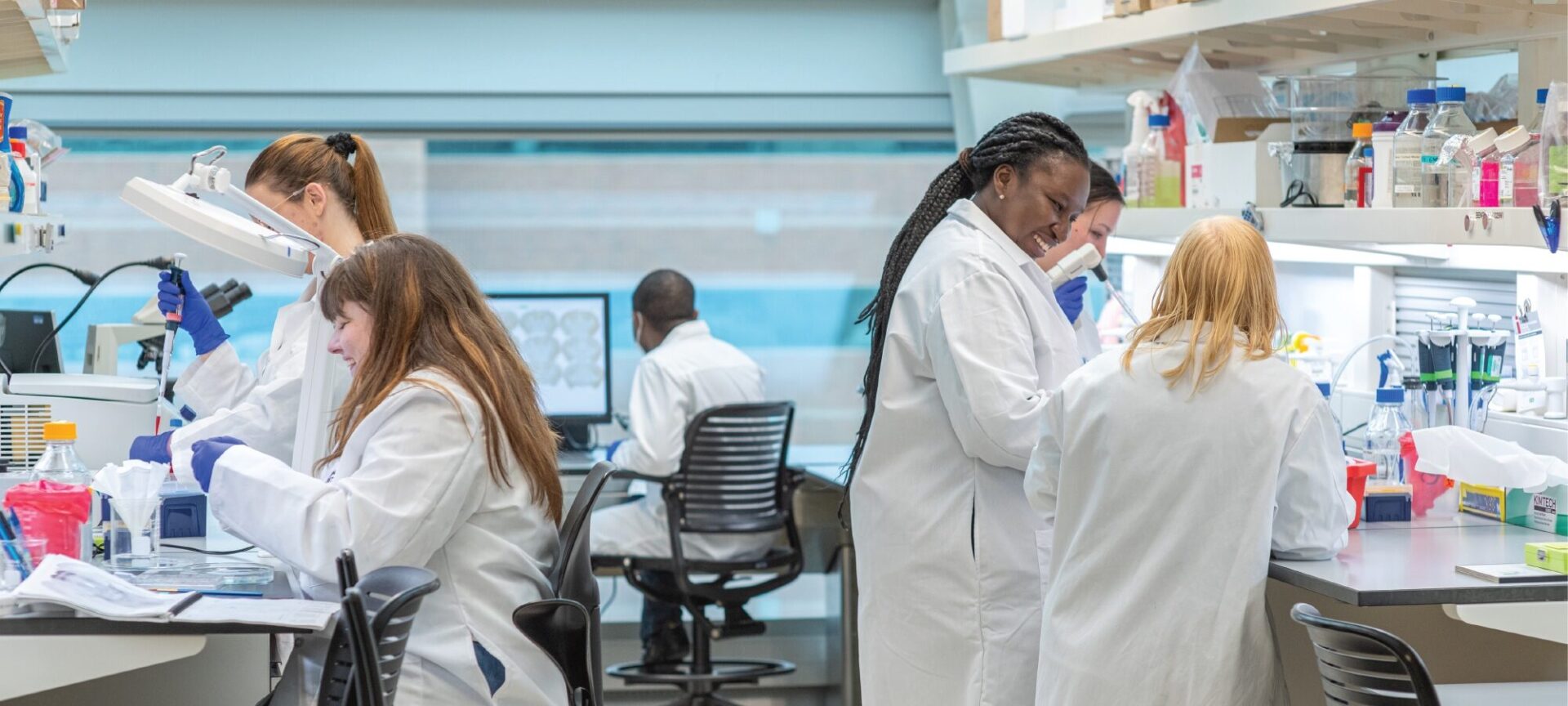
Cancer Epigenetics Training Program
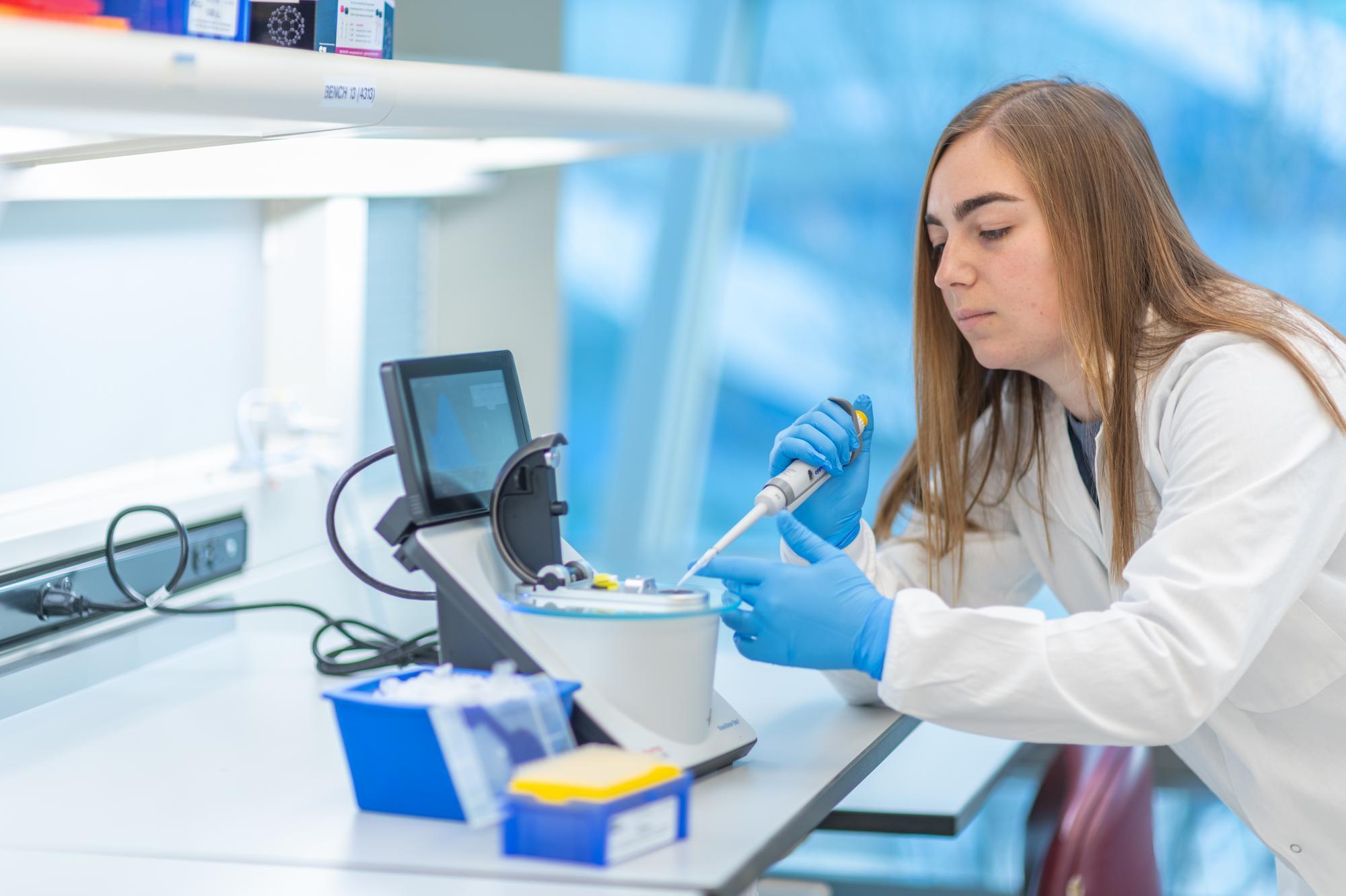
The Cancer Epigenetics Training Program prepares postdoctoral fellows to become research leaders in the field of cancer epigenetics.
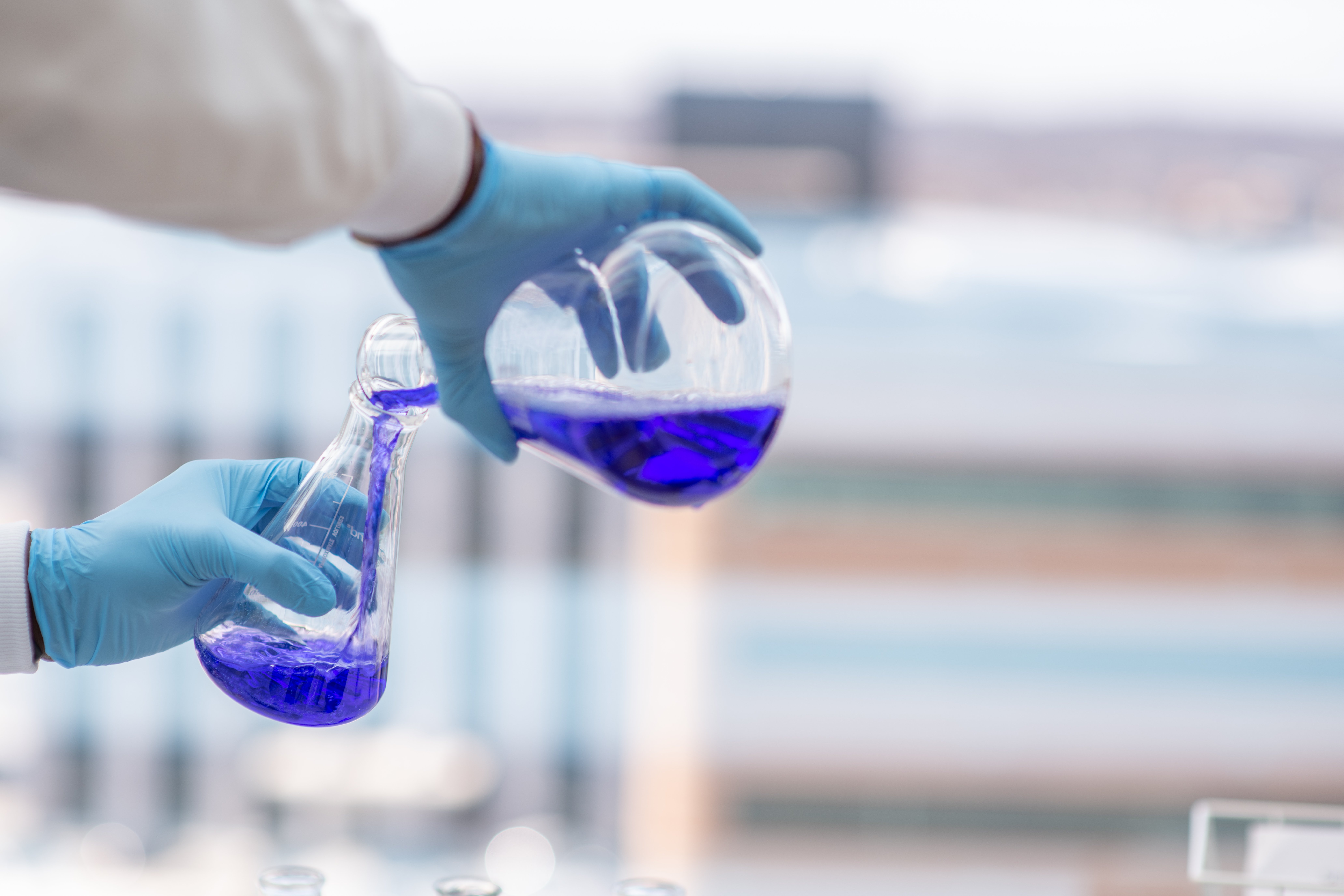
Van Andel Institute Graduate School
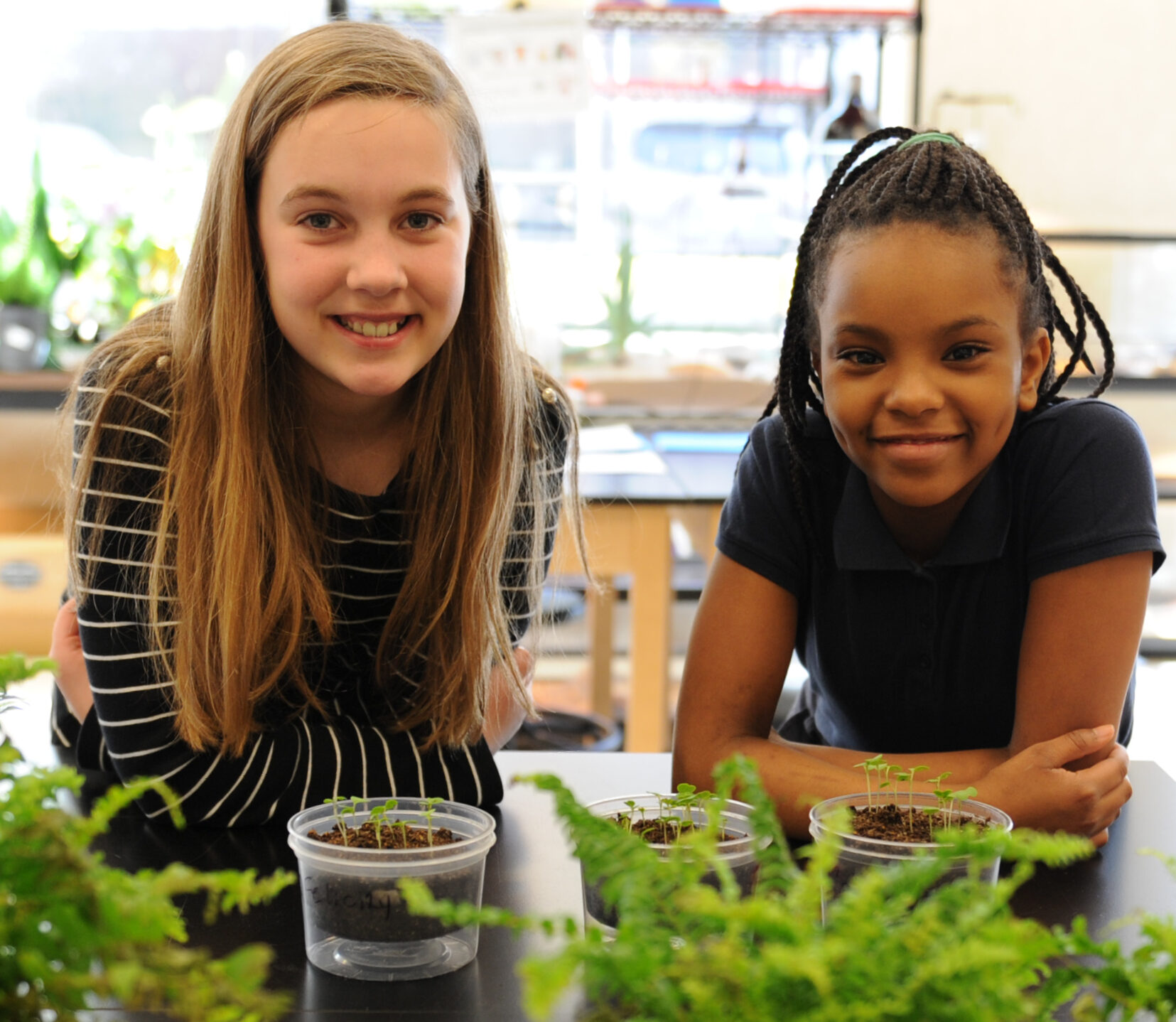
Undergraduate Student Research Fellowship
Latest from Vai
Learn More

Phase 2 trial suggests vitamin C may benefit people with pre-cancer blood disorders

Compendium of patient-derived models offers new opportunities for cancer research, precision oncology

Key index ranks Van Andel Institute no. 3 among North American nonprofit research organizations for biological sciences
Impact
VAI Cancer Center
- 31 faculty in the Center
- 107 studies published by faculty in the Cancer Center in 2025
- 15 cancer clinical trials launched by the Van Andel Institute–Stand Up To Cancer® Epigenetics Dream Team
Recent Publications
Pursuing epigenetic breakthroughs to advance precision treatment
The Cancer Epigenetics Program investigates the epigenetic mechanisms that determine whether genes are “on” or “off,” a process that often is disrupted in cancer. Fixing epigenetic errors offers powerful opportunities for designing precision cancer therapies.
Scientists in this program study cancer epigenetics across the research spectrum, including basic research, translational cancer research and cancer clinical trials. Their work spans many different cancer types, including blood cancers, colorectal cancers, pancreatic cancer, ovarian cancer, pediatric cancers, breast cancer and many others.
DNA methylation in cancer
DNA methylation is an epigenetic process in which chemical tags are added to DNA to turn genes “off.” Removal of these tags — a process called demethylation — turns genes back “on.” When this process is disrupted, genes that suppress cancer can become silenced, allowing the disease to develop and progress. In addition to studying the fundamentals of DNA methylation, VAI scientists are working to develop new therapies that correct methylation errors and restore healthy gene activity.
Histone modifications in cancer
Histones are proteins that help organize DNA and play important roles in the epigenetic regulation of cancer. VAI scientists investigate the role of histones in cancer, with a focus on histone post-translational modifications, small chemical tags that help regulate DNA organization and gene expression.
Epigenetics and the immune system
Epigenetic mechanisms help regulate how the immune system develops and responds to threats such as cancer and infection. VAI scientists study this complex relationship with the goal of developing improved cancer therapies.
Epigenetics and environmental cancer risk
Exposure to environmental carcinogens can prompt epigenetic changes that contribute to cancer. Research in this area includes studies on ultraviolet light, cigarette smoke and arsenic, an element frequently found in pollutants.
Metabolic-epigenetic crosstalk
Powered by collaborations between the Cancer Epigenetics Program and the Signaling and Metabolism Program, VAI scientists explore the intersection of metabolism and epigenetics, a pair of vital systems that influence health and diseases like cancer and diabetes. They investigate how interactions between epigenetics and metabolism set the stage for future health, how they influence disease subtypes and how they affect cancer risk.
Mapping the epigenetic landscape of cancer
VAI scientists contribute to large-scale collaborations that map the epigenetic and molecular underpinnings of cancer. Their efforts support development of powerful resources and tools that more precisely define cancer types, pinpoint contributors to cancer and reveal new opportunities for diagnosis and treatment.
Epigenetics and structural biology
Using VAI’s high-powered suite of cryo-electron microscopes, scientists are visualizing the proteins and complexes that carry out epigenetic processes. These critical insights help pinpoint vulnerabilities in disease that may be targeted for treatment.
VAI scientists in the Cancer Epigenetics Program
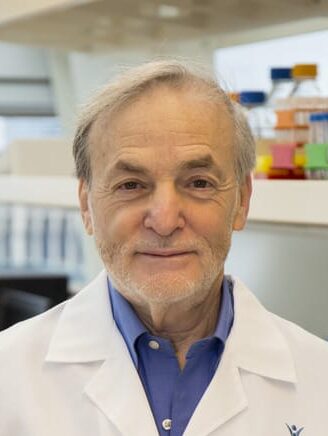
Stephen Baylin, M.D.
Director’s Scholar and Professor, Department of Epigenetics
Primary appointment: Johns Hopkins University
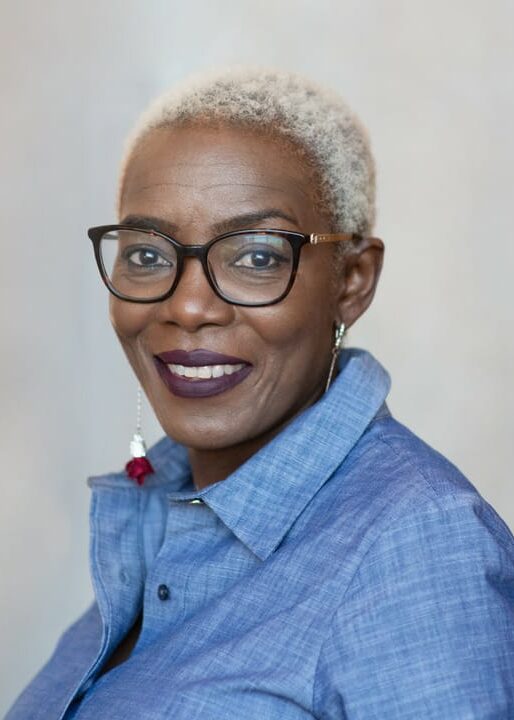
Yvonne Fondufe-Mittendorf, Ph.D.
Interim Chair, Department of Cell Biology; Professor, Department of Epigenetics
Epigenetic Regulation and Environmental Impacts

H. Josh Jang, Ph.D.
Assistant Professor, Department of Cell Biology
Leveraging epigenetic and metabolic vulnerabilities to improve immunotherapy
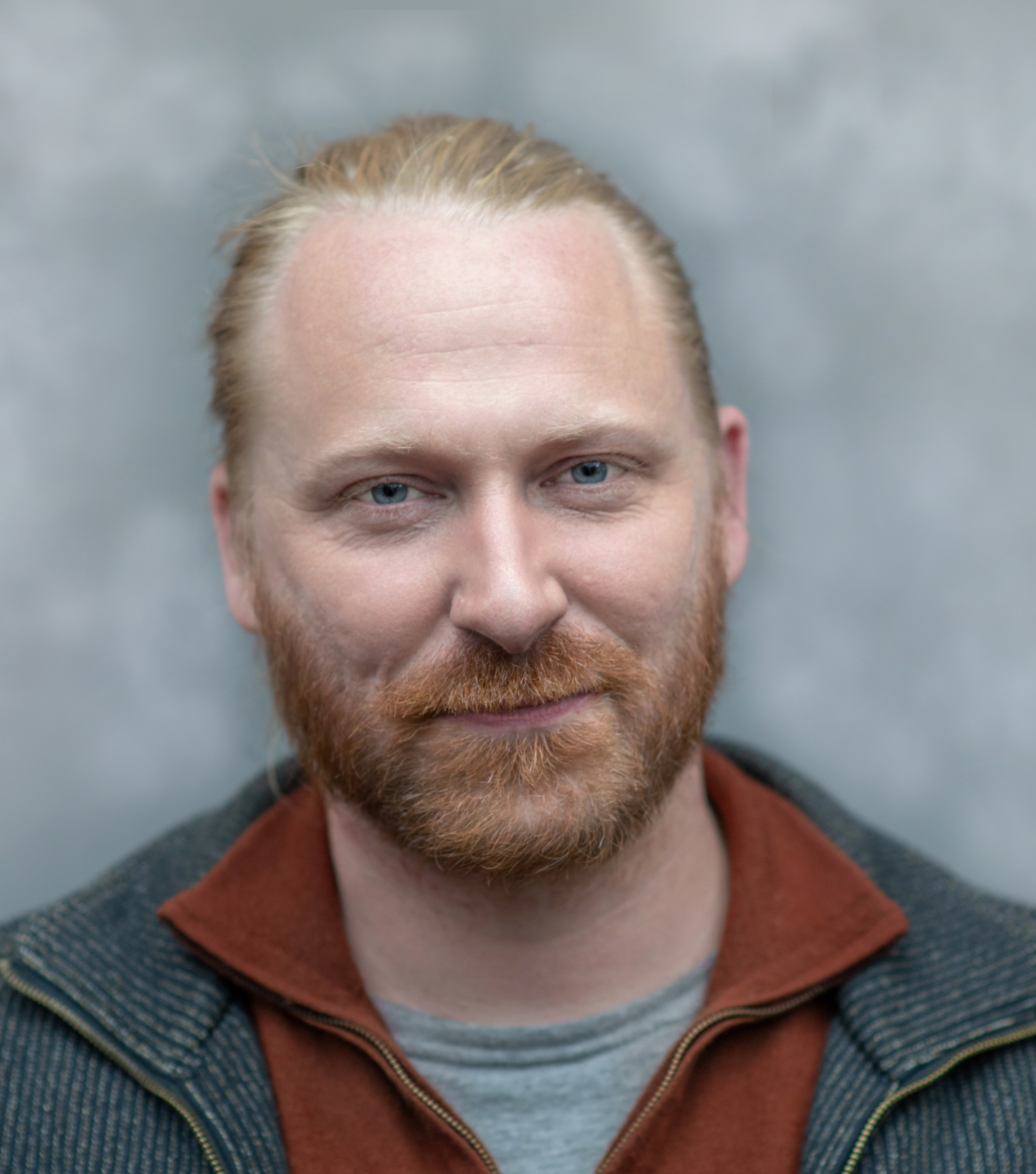
Derek Janssens, Ph.D.
Assistant Professor, Department of Epigenetics
Epigenetic Regulation of Hematopoiesis and Leukemia
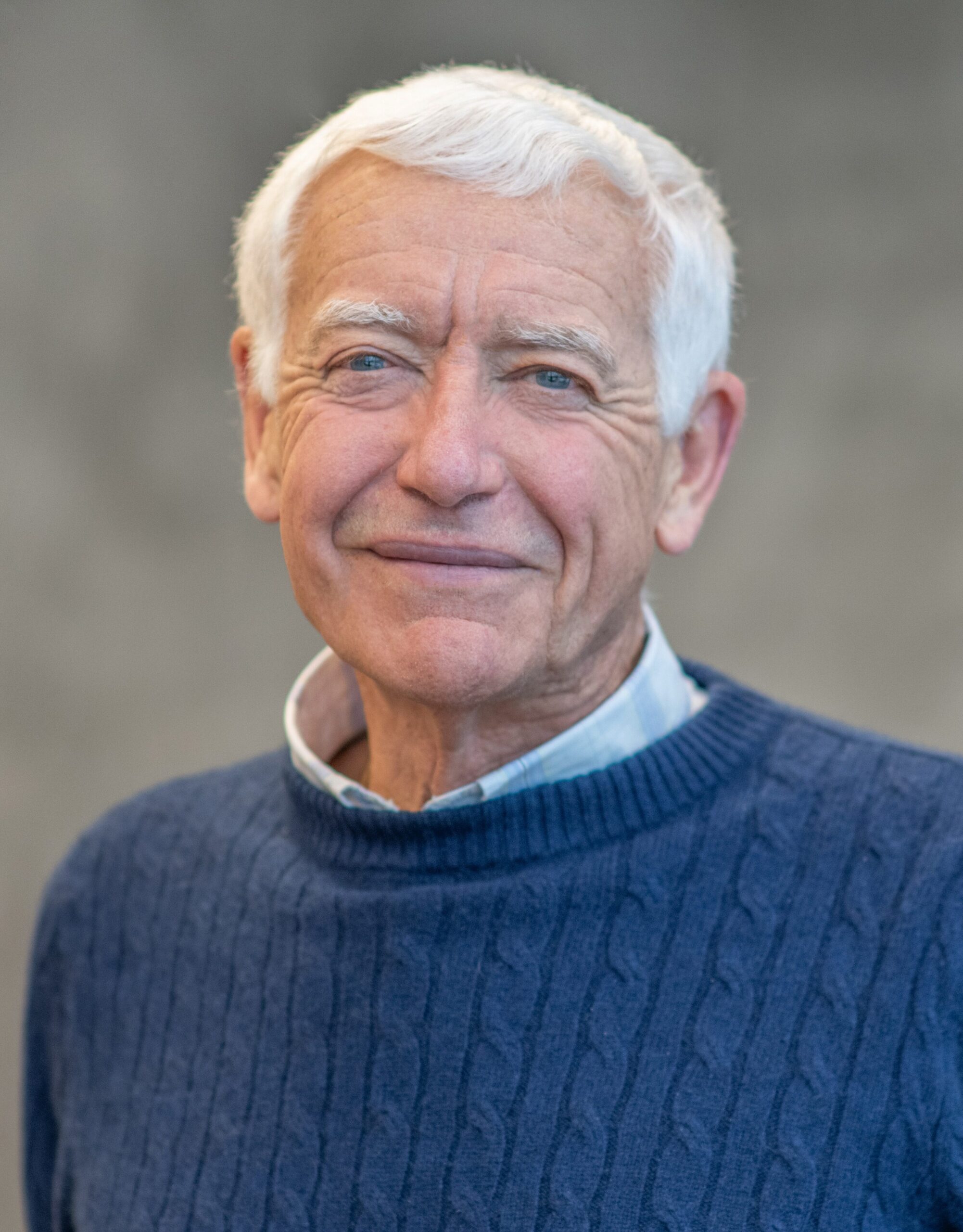
Peter A. Jones, Ph.D., D.Sc. (hon)
Distinguished Professor, Department of Epigenetics
Epigenetic Therapies
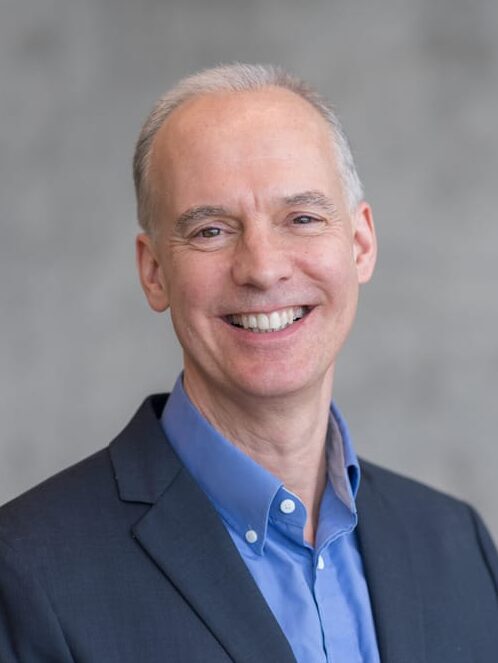
Peter W. Laird, Ph.D.
Professor, Department of Epigenetics; Peter and Emajean Cook Endowed Chair in Epigenetics
Cancer Epigenetics
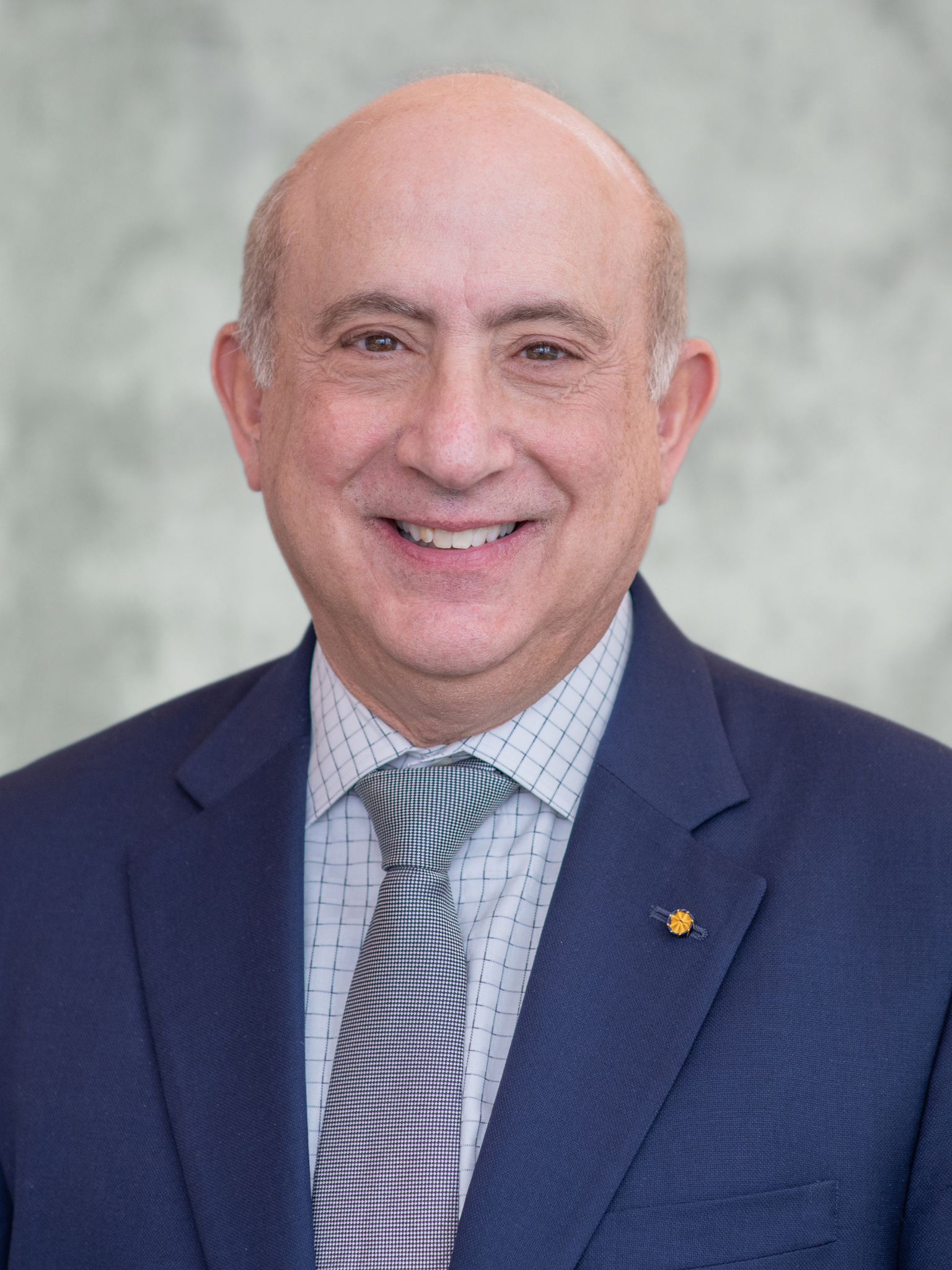
Jonathan D. Licht, M.D.
President and Chief Scientific Officer; Professor, Department of Epigenetics
Epigenetic Regulators as Drivers of Cancer
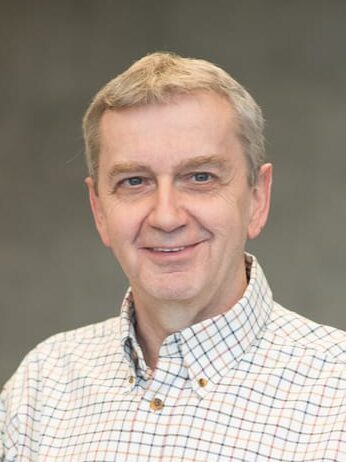
Gerd Pfeifer, Ph.D.
Professor, Department of Epigenetics
Epigenetic and Genetic Pathways in Human Disease
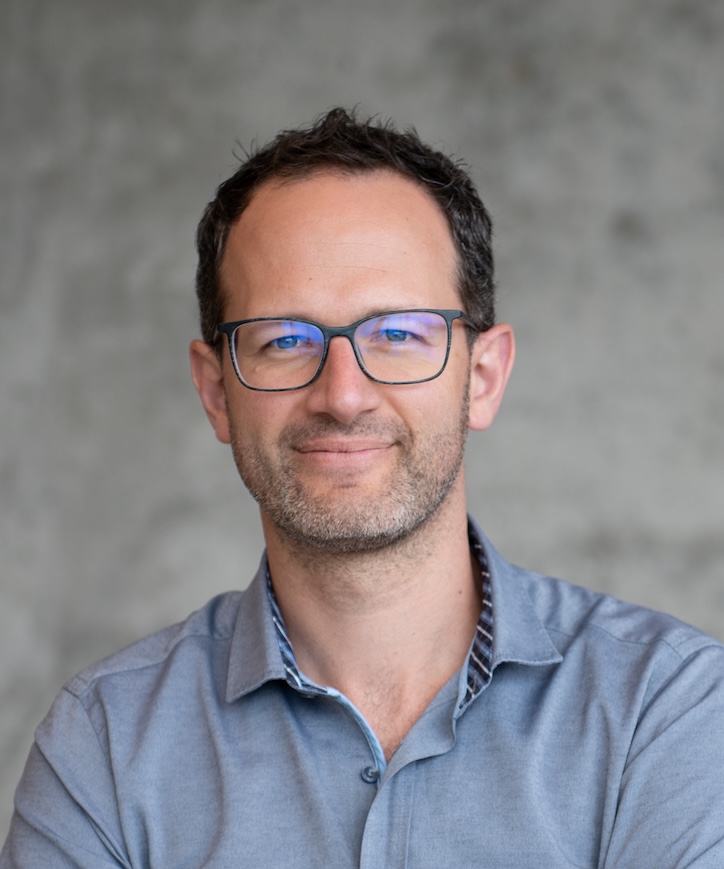
J. Andrew Pospisilik, Ph.D.
Chair and Professor, Department of Epigenetics
Epigenetic Origins of Heterogeneity and Disease
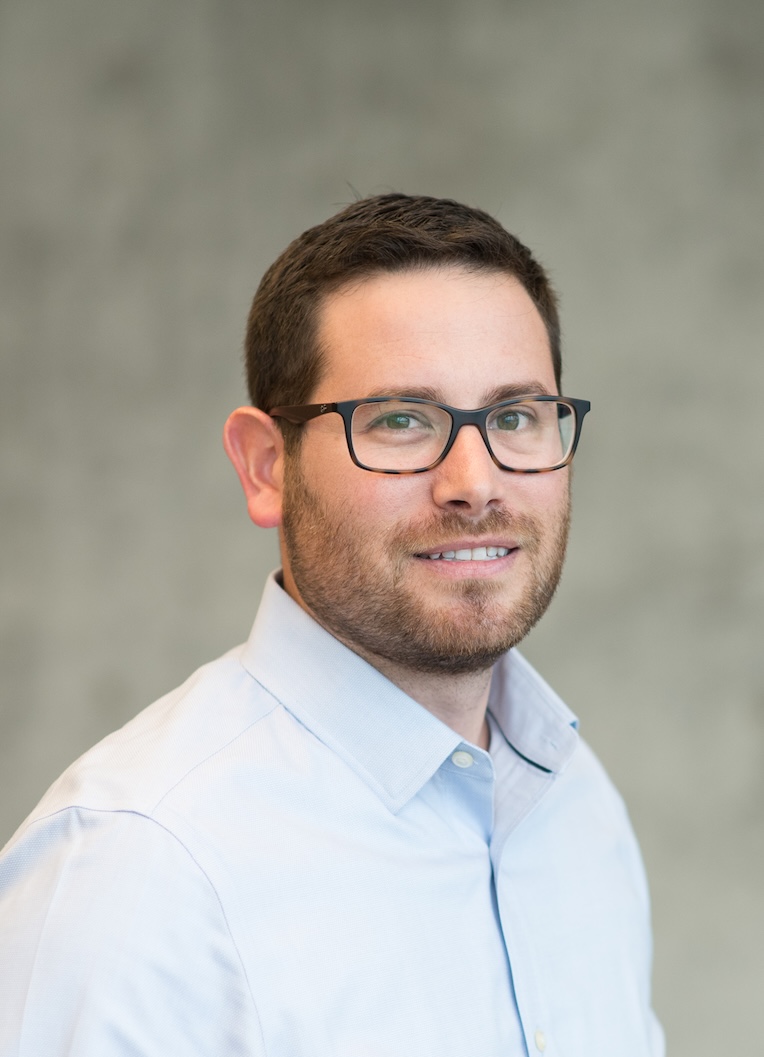
Scott Rothbart, Ph.D.
Professor, Department of Epigenetics; Director, Cancer Epigenetics Training Program
Chromatin Signaling in Health and Disease
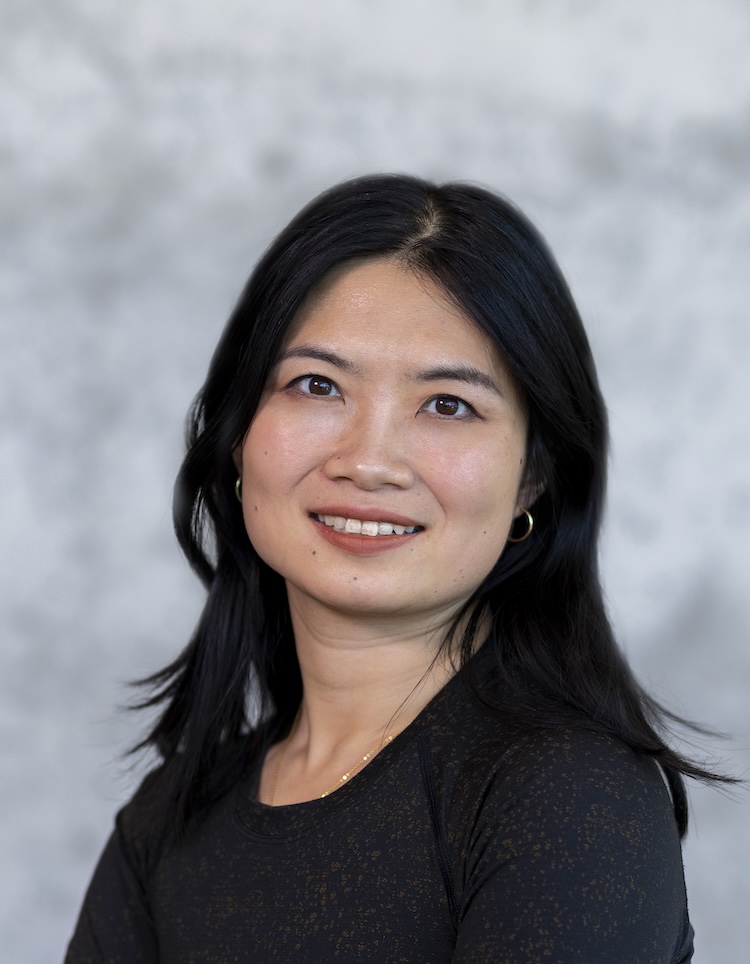
Hui Shen, Ph.D.
Professor, Department of Epigenetics
Epigenomics Analysis in Human Disease
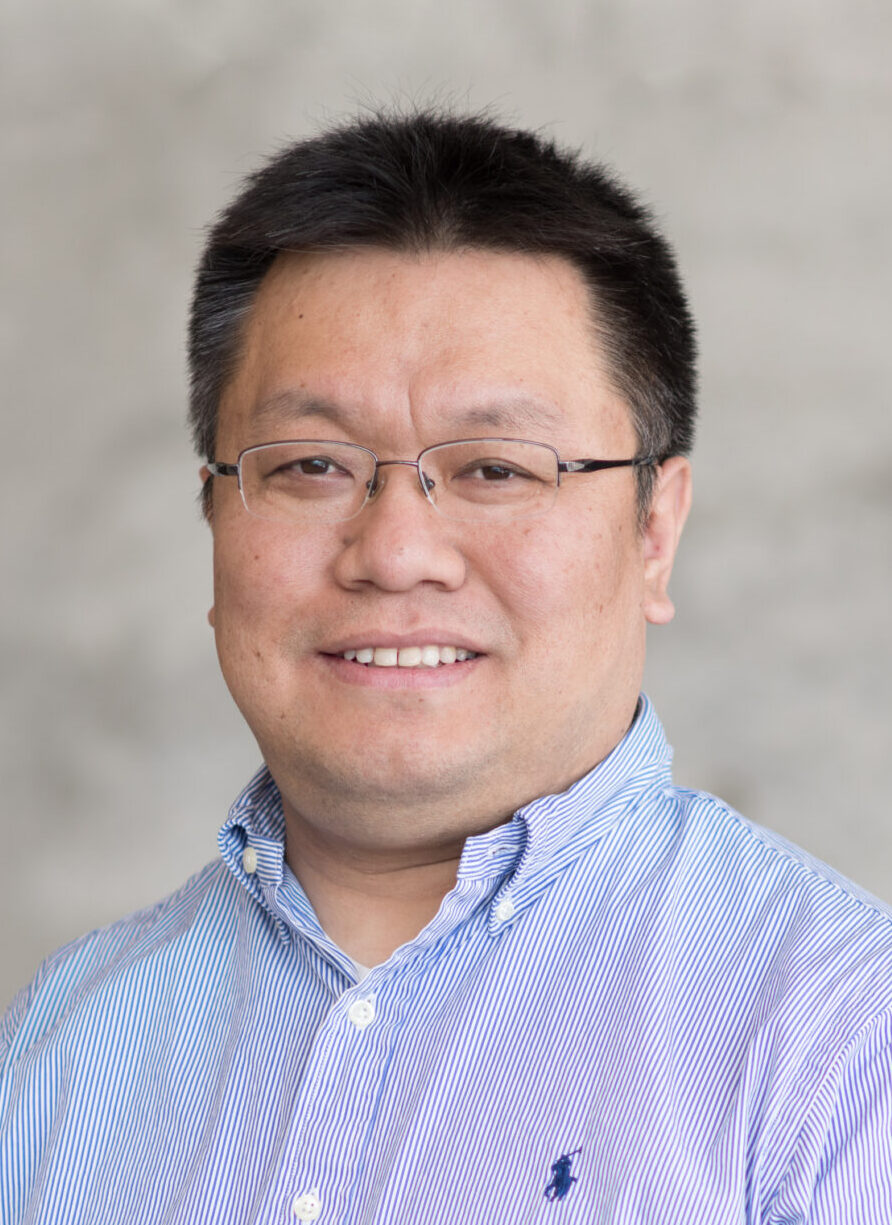
Xiaobing Shi, Ph.D.
Professor, Department of Epigenetics
Histone Modifications and Chromatin Regulation
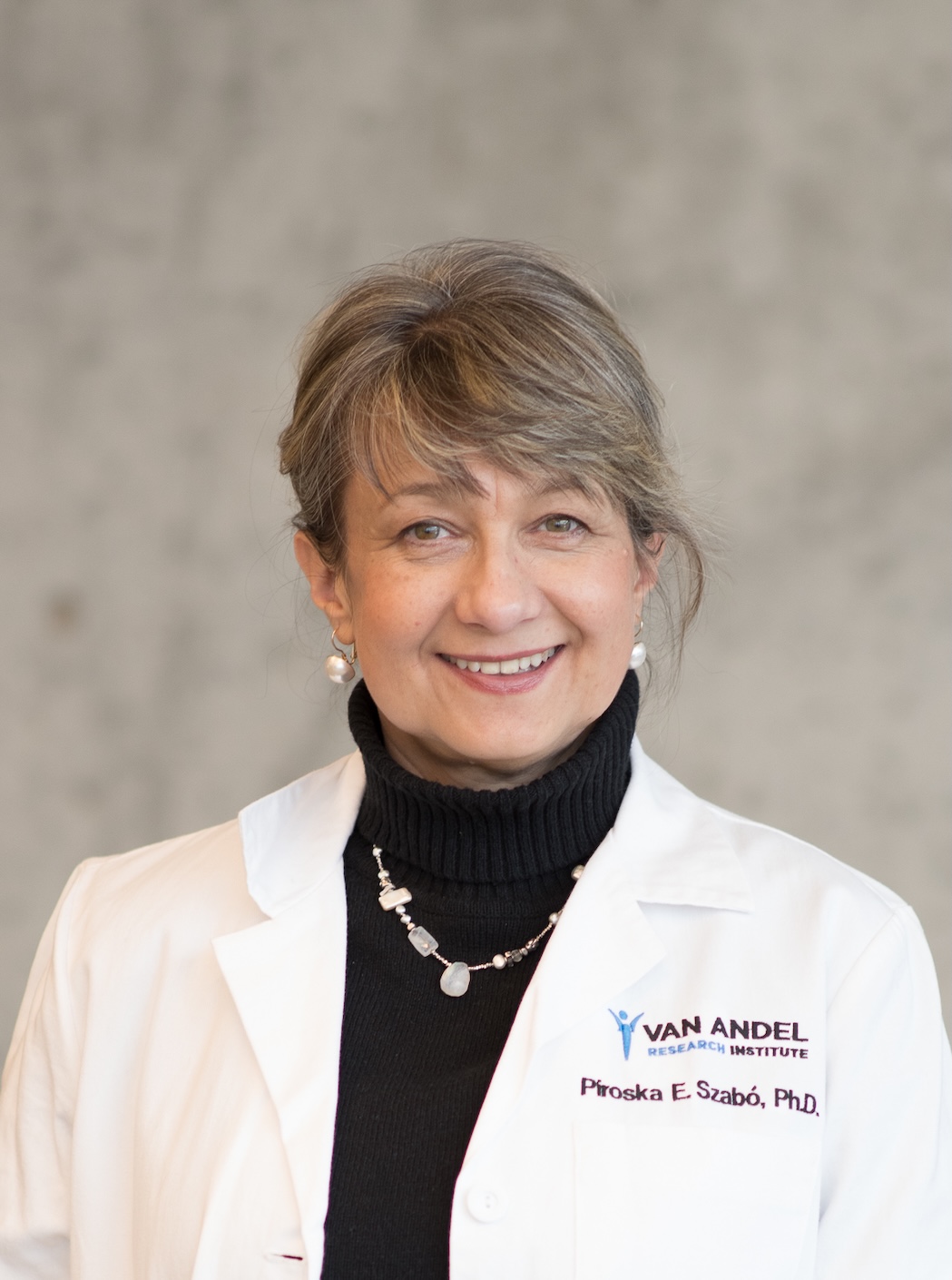
Piroska Szabó, Ph.D.
Associate Professor, Department of Epigenetics
Developmental Programming
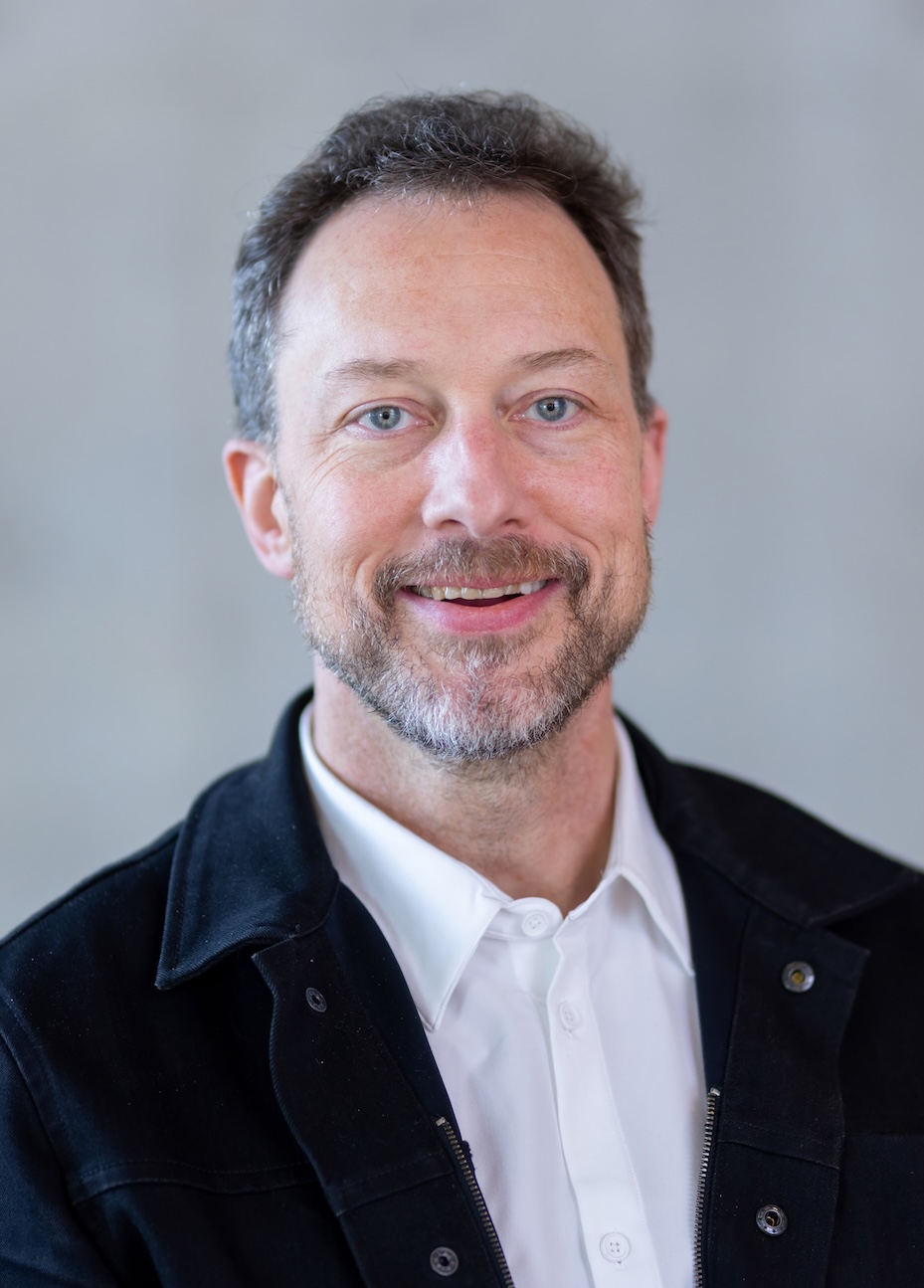
Tim Triche, Jr., Ph.D.
Associate Professor, Department of Epigenetics
Translational Biological Informatics
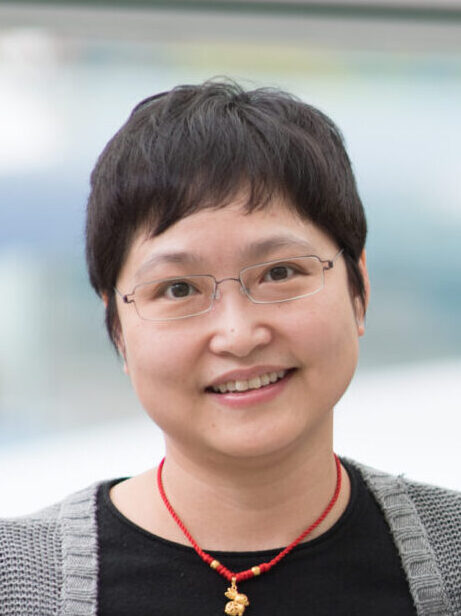
Hong Wen, Ph.D.
Professor, Department of Epigenetics
Epigenetics and Transcription
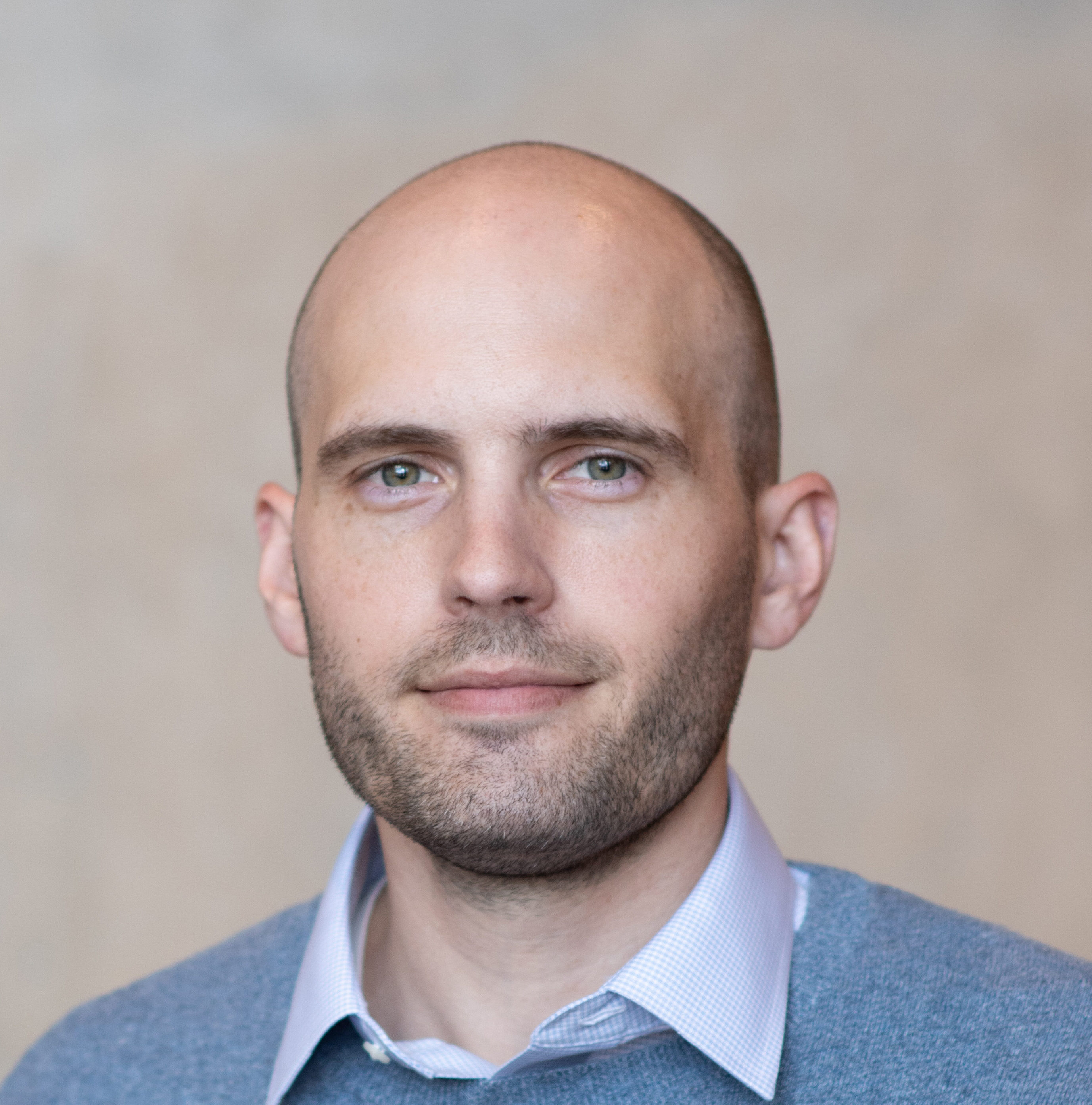
Evan Worden, Ph.D.
Assistant Professor, Department of Structural Biology
Structural Biology of Epigenetic Complexes

Exploring the intersection of cancer signaling, immunology and metabolism
The Signaling and Metabolism Program explores how fundamental systems in the body, such as cellular communication, the immune system and metabolism, influence cancer and offer opportunities for prevention, diagnosis and treatment.
Cancer signaling
Cancer cells use signaling pathways to communicate with each other and monitor shifts in the tumor microenvironment. These signaling pathways are complex, and rely on coordinated, cascading interactions between cells, their surroundings and many different biological processes. VAI scientists are decoding these intricate pathways in cancer to better understand how malignant cells hijack normal systems and identify new opportunities for prevention and treatment.
Metabolic-epigenetic crosstalk
Powered by collaborations between the Signaling and Metabolism Program and the Cancer Epigenetics Program, VAI scientists explore the interactions between metabolism and epigenetics, two important systems that play crucial roles in health and diseases like cancer. They work to answer questions about how parents’ diets may epigenetically influence the health of their future offspring, how metabolic regulation of epigenetics impacts individual health and how disruptions in these processes contribute to cancer.
Cancer immunology
The immune system is the body’s first line of defense against cancer. VAI scientists study how cancer cells hide from the immune system with the goal of developing improved immunotherapies. Their efforts include new applications for histotripsy, a technique that uses sound waves to disrupt tumors and elicit an immune response.
Immunometabolism
Cancer cells and immune cells both rely on nutrients from the foods we eat to fuel their function. VAI scientists investigate how diet influences cell metabolism and whole-body metabolism in search of dietary strategies to improve the immune system’s ability to fight cancer and weaken cancer cells’ ability to evade immune attack.
Early cancer detection
Diagnosing cancer early can significantly improve patient outcomes. VAI scientists pursue new cancer diagnostics through a focus on biomarker discovery, searching for measurable signs of disease that may help catch cancer sooner and with greater precision.
Structural cancer biology
Structural biology enables scientists to develop detailed blueprints of proteins and molecular complexes that play roles in cancer. Using leading-edge techniques like cryo-EM and cryo-PFIB, VAI scientists investigate how the shapes of these critical molecules affect their function and search for new ways to target them with tailored cancer medications.
VAI Scientists in the Signaling and Metabolism Program
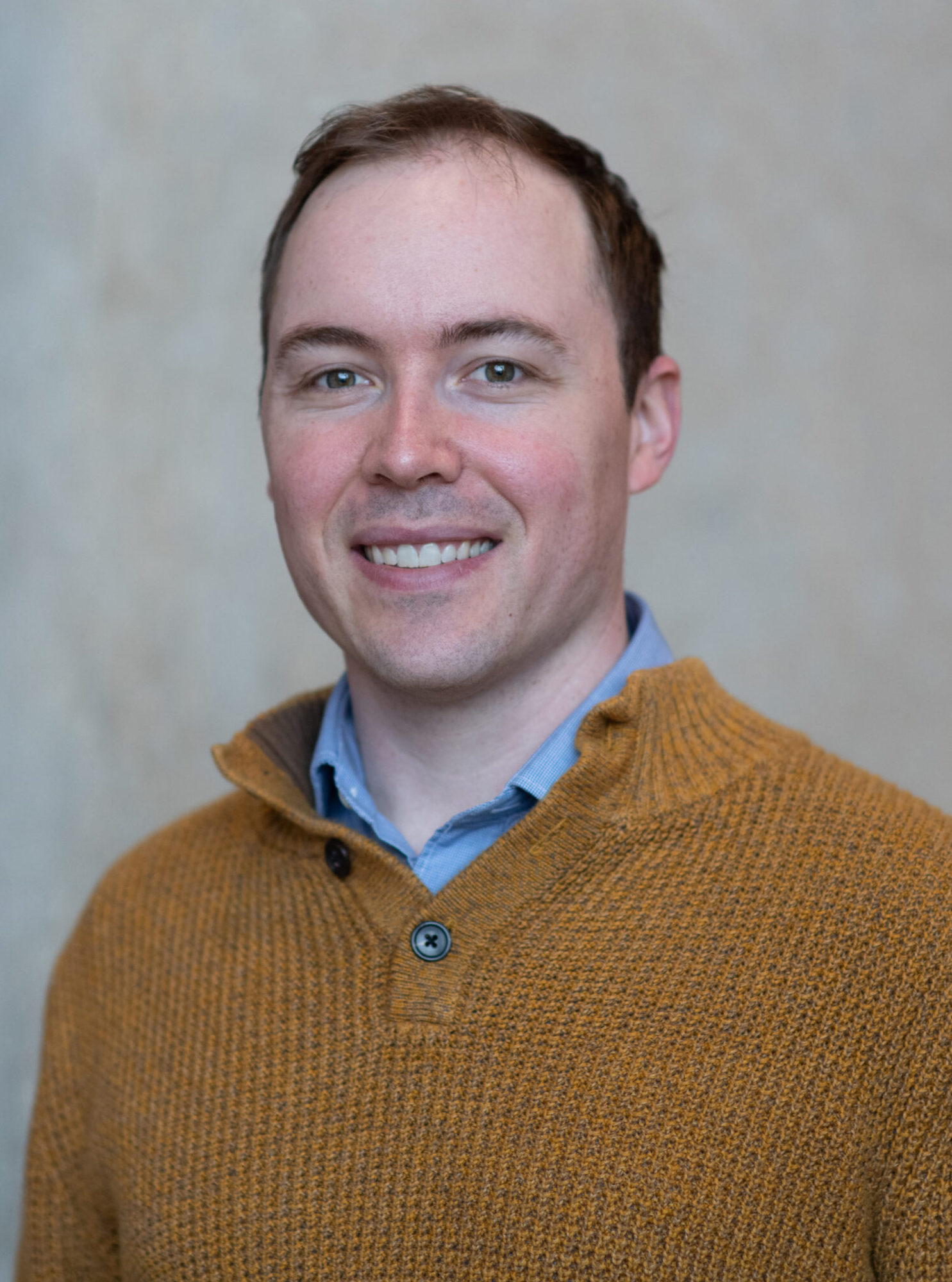
Nick Burton, Ph.D.
Assistant Professor, Department of Metabolism and Nutritional Programming
Metabolism, the Microbiome and Disease Risk

Clifford Cho, M.D.
Professor, Department of Cell Biology
Translational Cancer Immunology
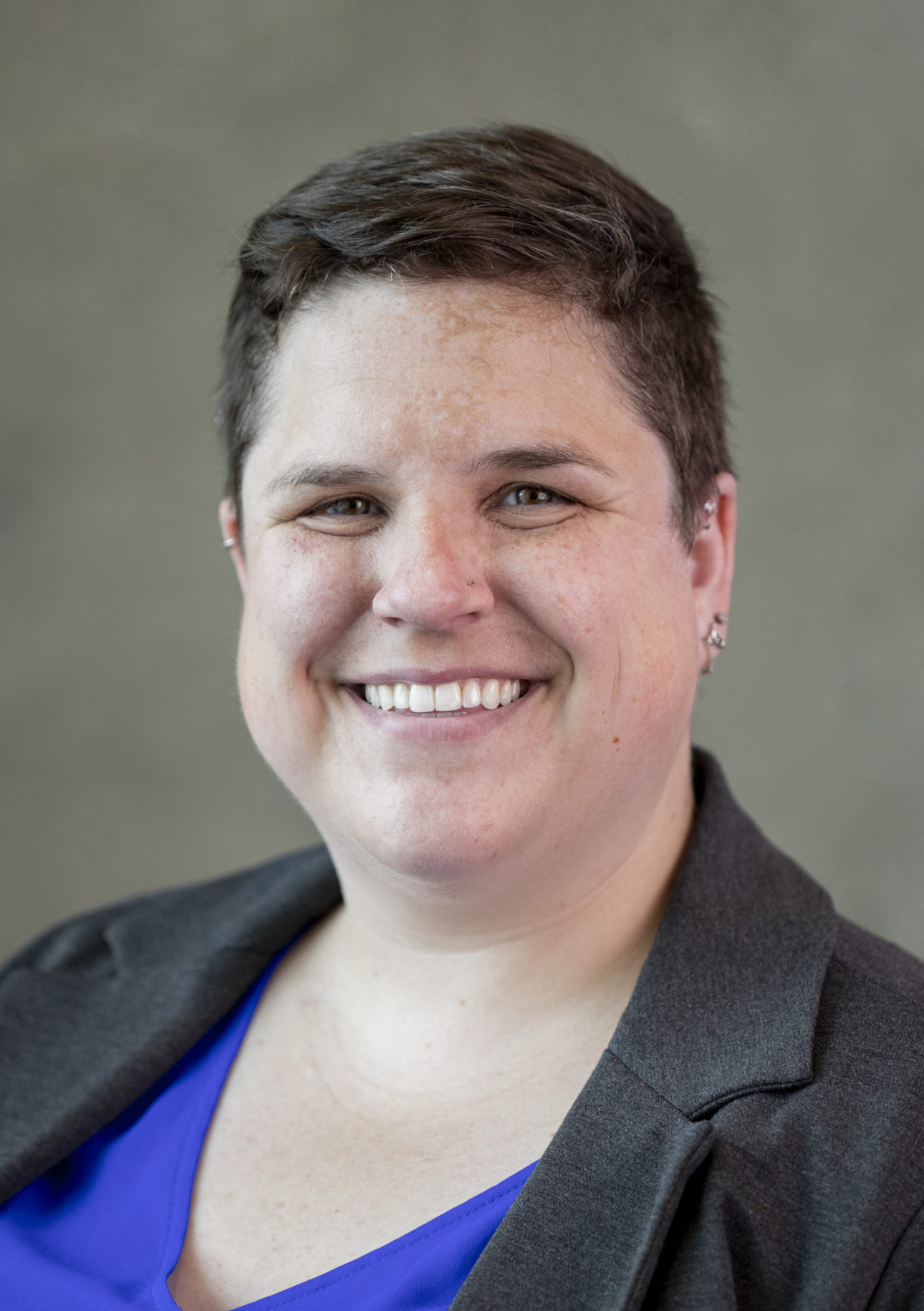
Stephanie Grainger, Ph.D.
Assistant Professor, Department of Cell Biology
Wnt Signaling in Hematopoietic Stem Cell Development and Cancer
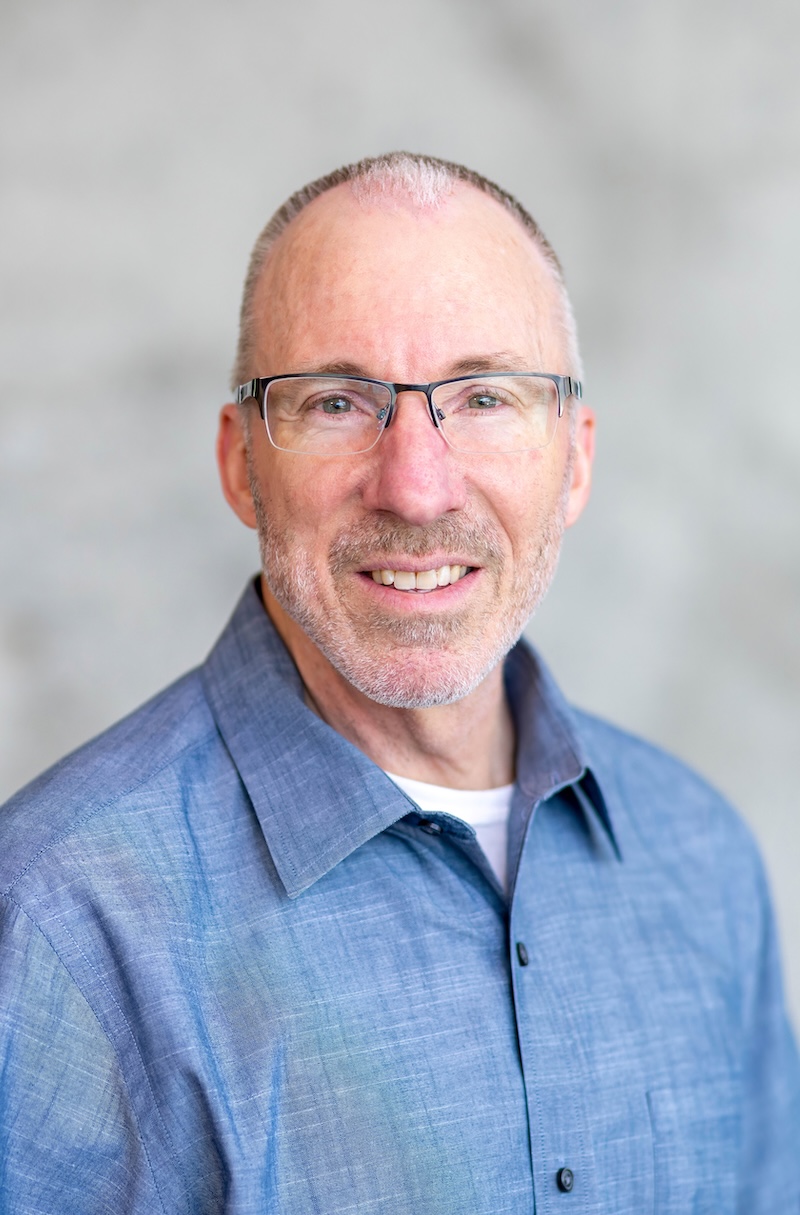
Brian Haab, Ph.D.
Professor, Department of Cell Biology
Pancreatic Cancer Identification Using Glycans

Russell Jones, Ph.D.
Chair and Professor, Department of Metabolism and Nutritional Programming; Director, MeNu Program
Cancer and Immunometabolism
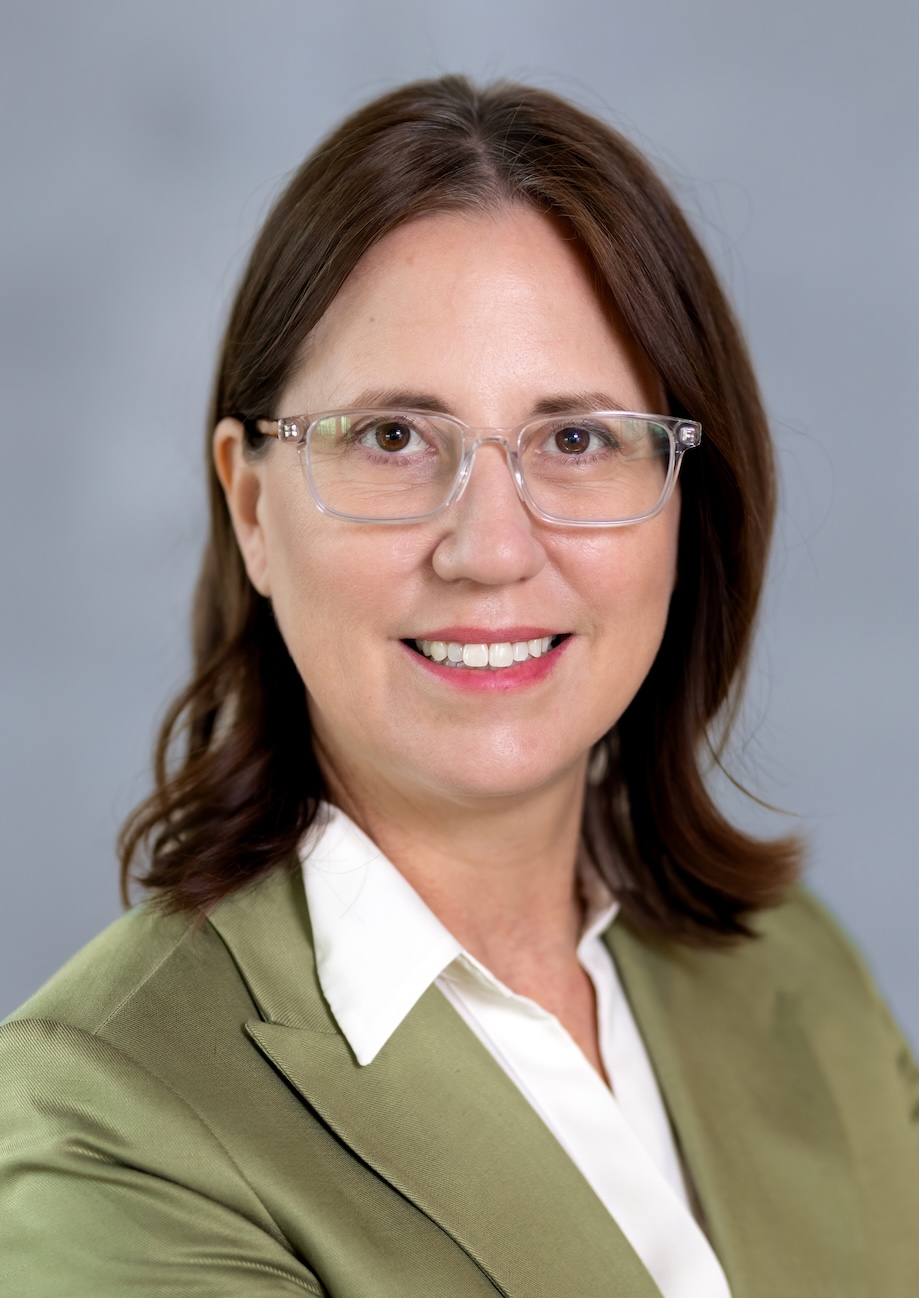
Connie Krawczyk, Ph.D.
Associate Professor, Department of Metabolism and Nutritional Programming
Immunology, Epigenetics and Metabolism
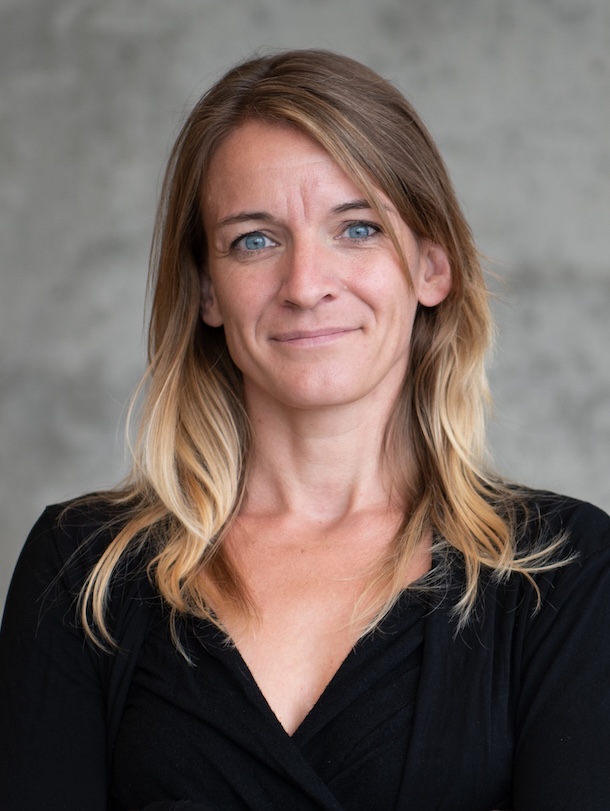
Adelheid (Heidi) Lempradl, Ph.D.
Associate Professor, Department of Metabolism and Nutritional Programming
Intergenerational Inheritance of Nutritional States
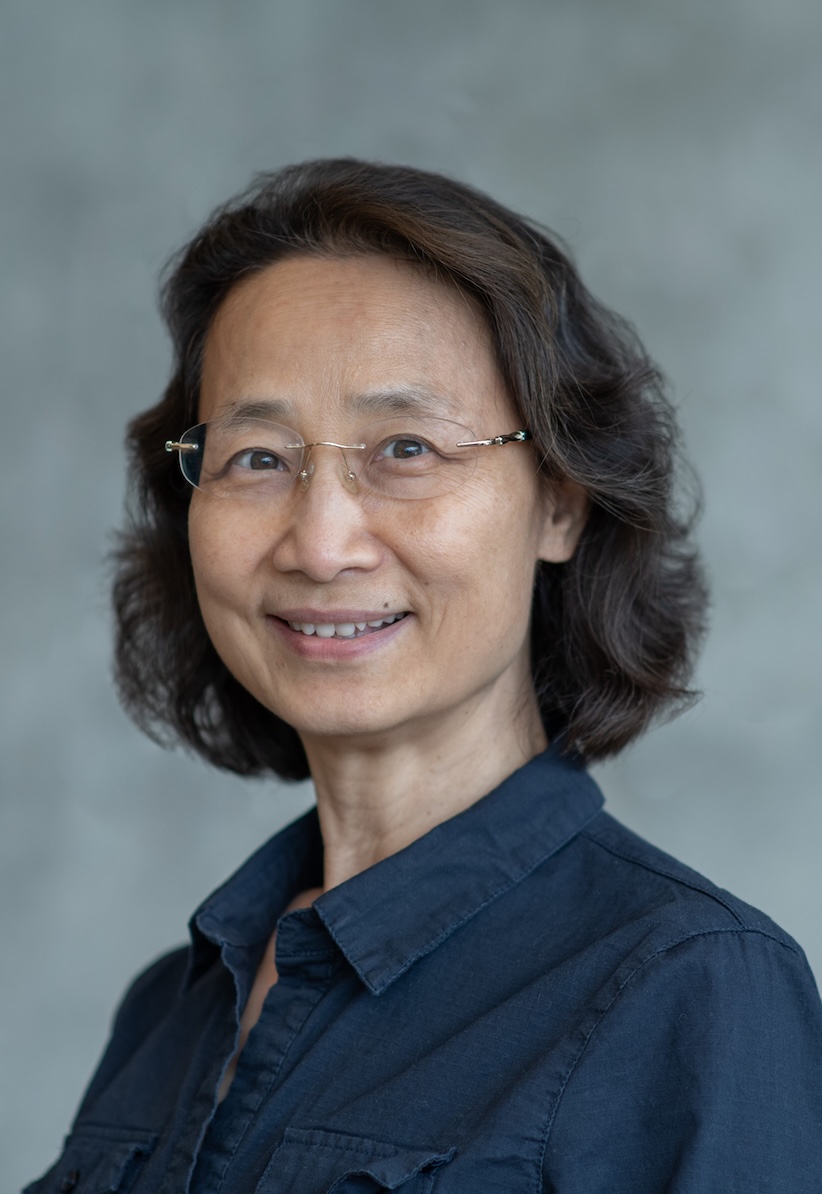
Hong Li, Ph.D.
Professor, Department of Structural Biology
Structural Mechanisms and Therapeutics of RNA Biology
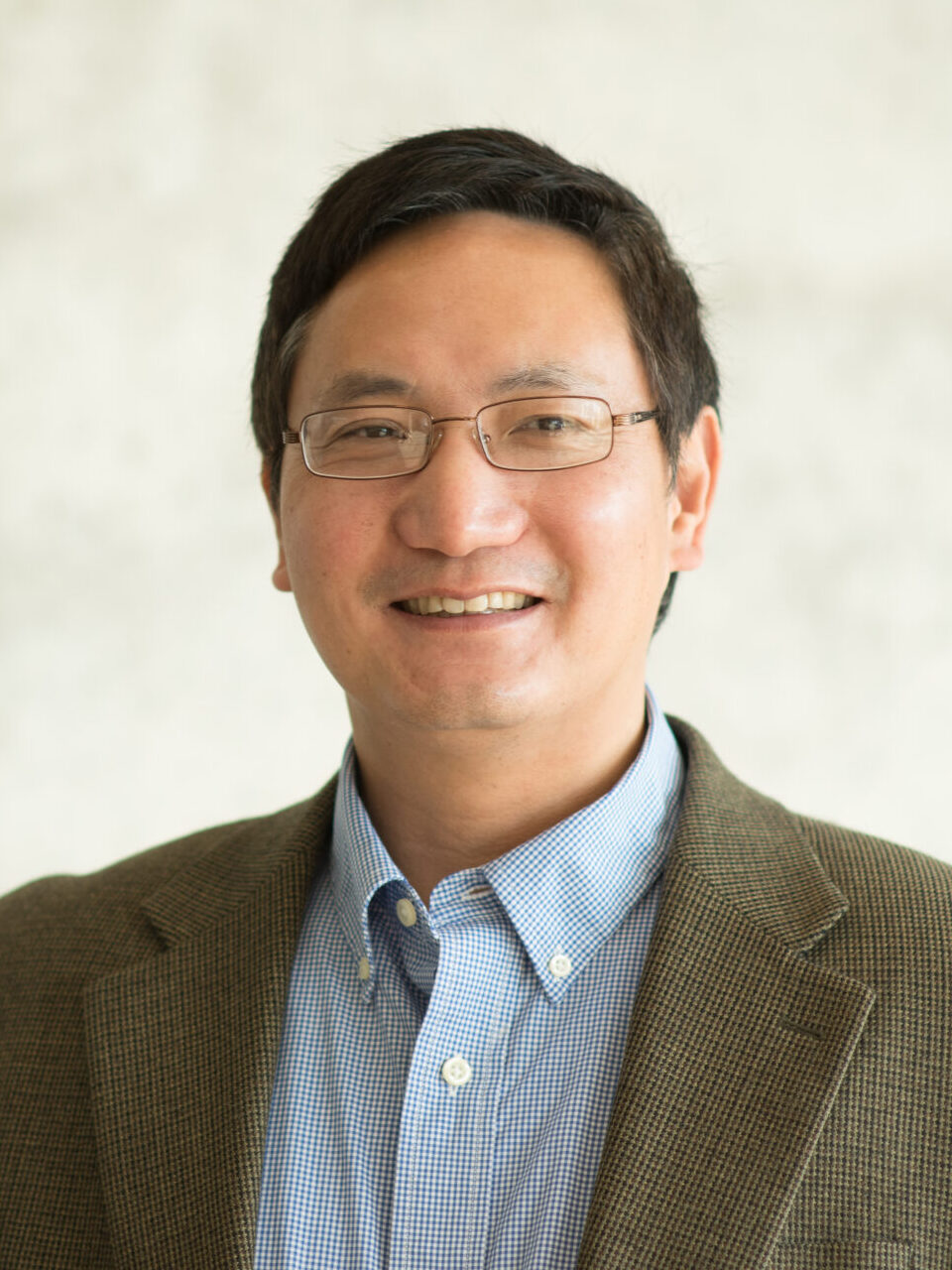
Huilin Li, Ph.D.
Chair and Professor, Department of Structural Biology; Ralph and Grace Hauenstein Endowed Chair in Structural Biology
Genome maintenance and protein homeostasis
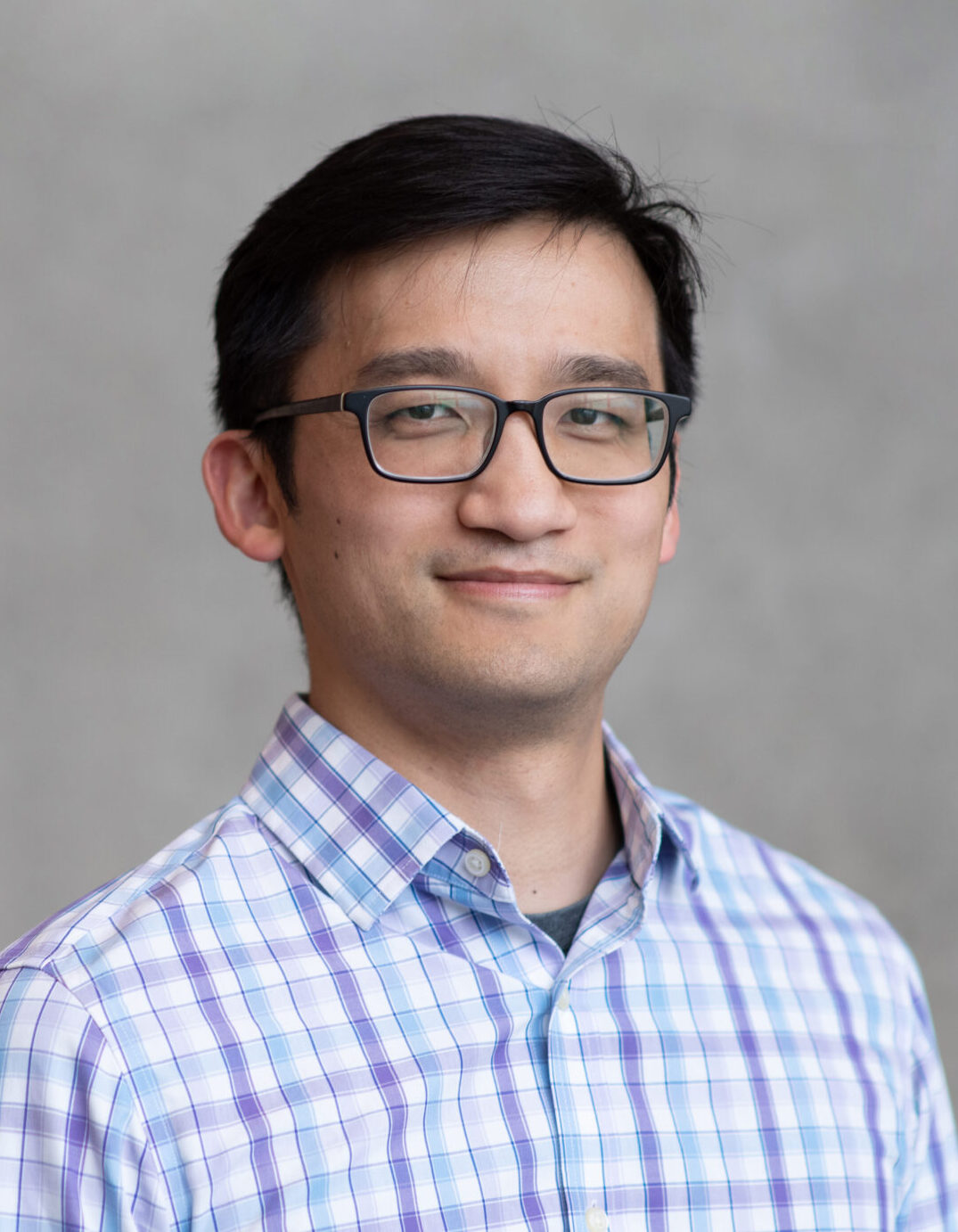
Evan Lien, Ph.D.
Assistant Professor, Department of Metabolism and Nutritional Programming
Diet, Metabolism and Cancer
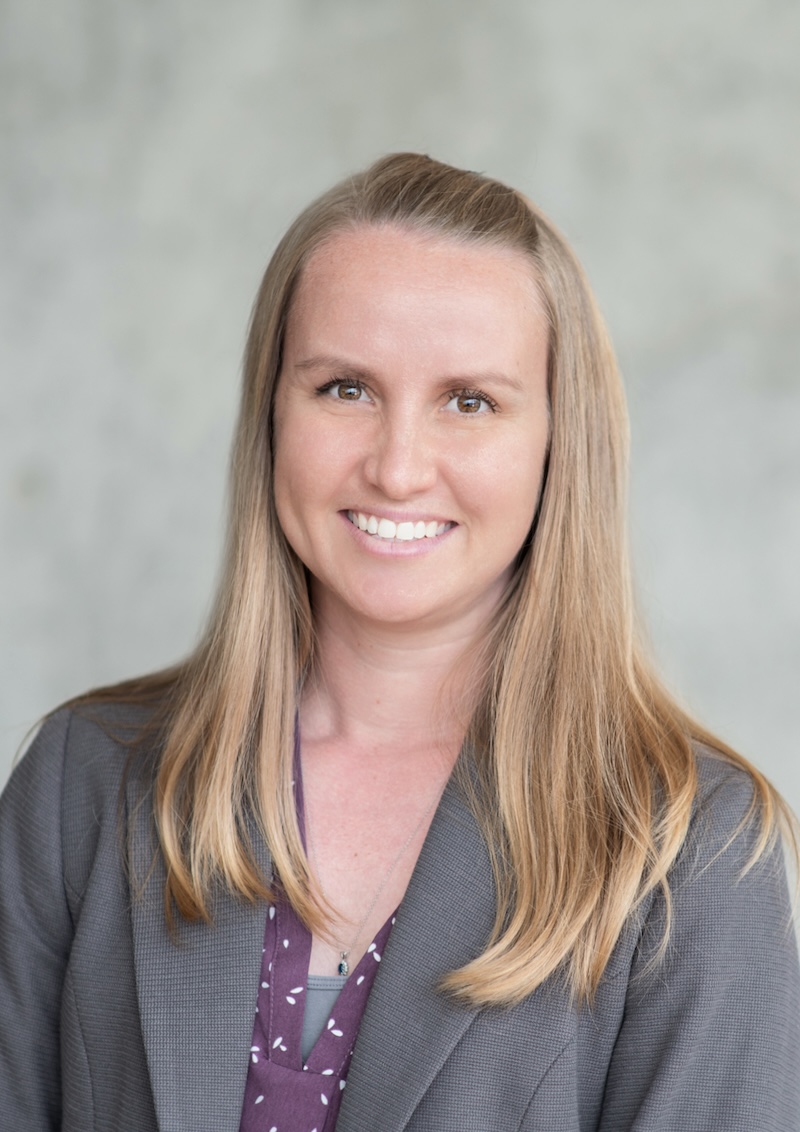
Sara Nowinski, Ph.D.
Assistant Professor, Department of Metabolism and Nutritional Programming
Mitochondria and Metabolism
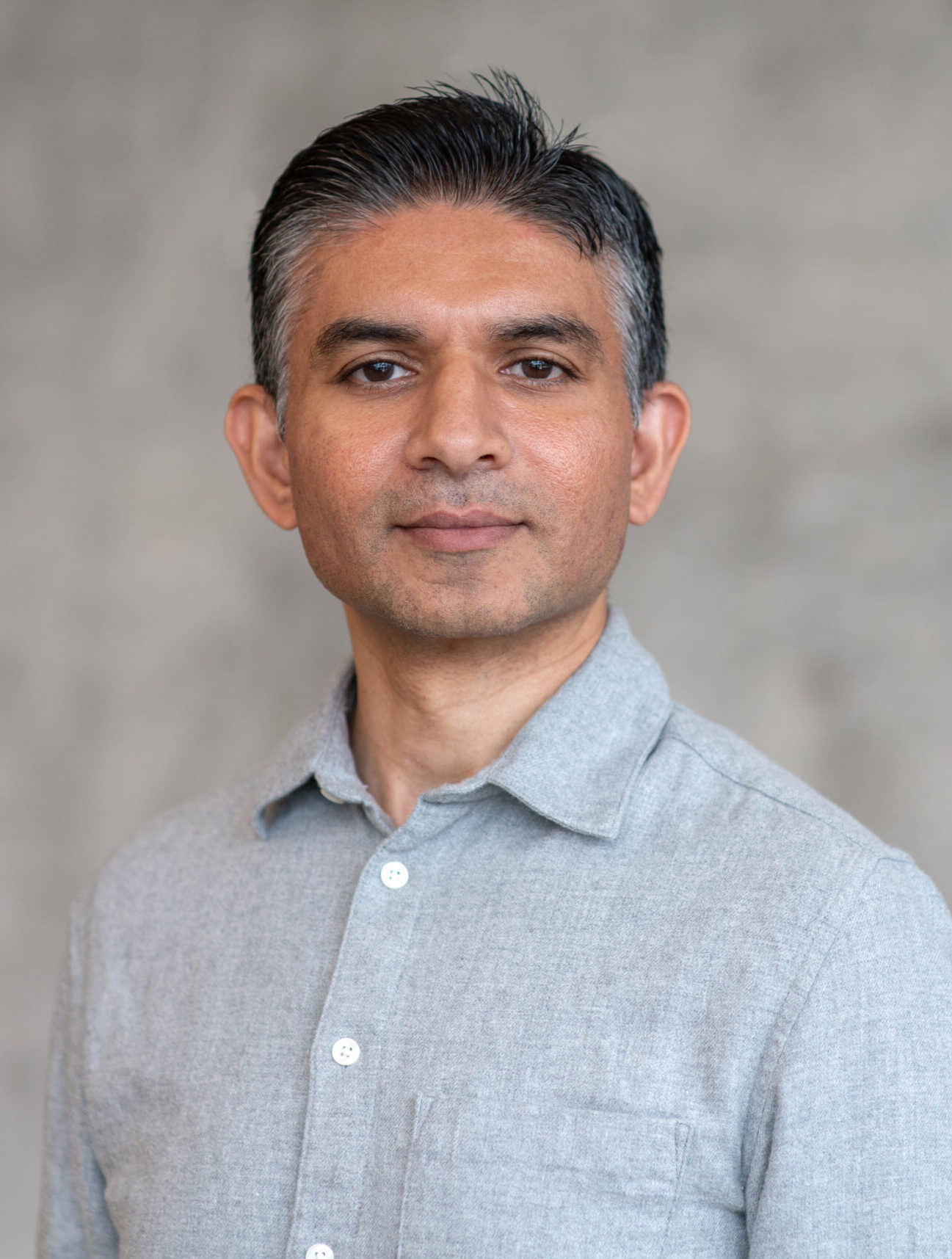
Maulik Patel, Ph.D.
Associate Professor, Department of Metabolism and Nutritional Programming
Mitochondrial genetics, cell biology and metabolism
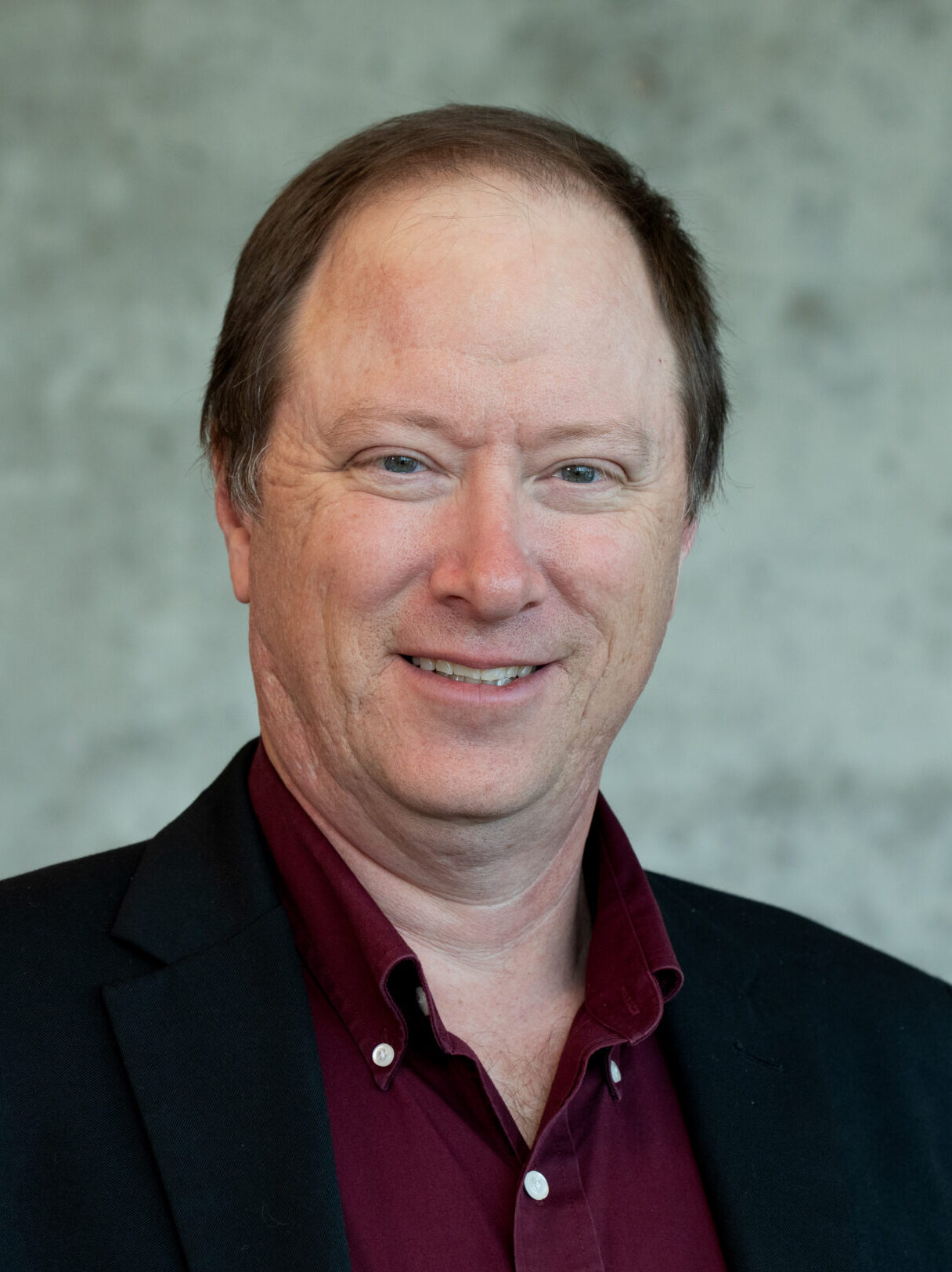
Bart Williams, Ph.D.
Professor, Department of Cell Biology
Cell Signaling and Carcinogenesis
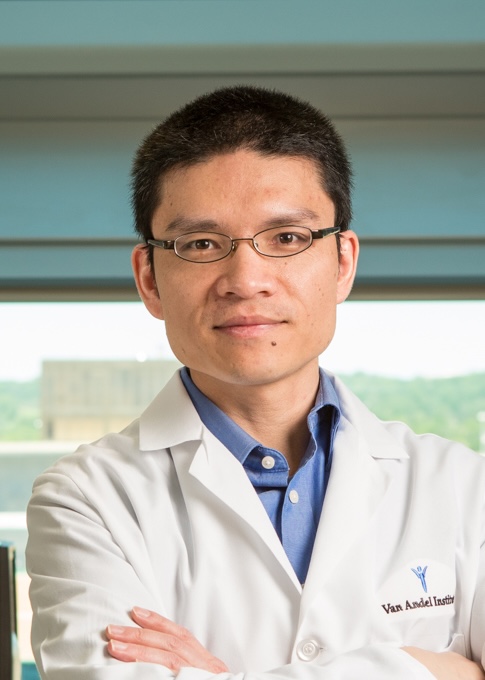
Tao Yang, Ph.D.
Professor, Department of Cell Biology
Skeletal Biology

Liman Zhang, Ph.D.
Associate Professor, Department of Structural Biology
Structural Biology, Immunology and Pathogen-Host Interactions